Canoptics uses satellite imagery, LiDAR, and AI to model vegetation growth and risk over time—helping utilities, insurers, and infrastructure operators prevent outages before they happen.
Every year, tree-related failures cause billions in damages, millions of outage hours, and catastrophic wildfires. Current methods can't keep pace.
Tree-related failures cause massive economic impact across the utility sector every year.
Vegetation contact with power lines is a leading cause of catastrophic wildfires.
Manual field crews inspect millions of miles using outdated methods.
Point-in-time surveys become outdated. Growth doesn't wait for your inspection cycle.
Today's tools show you where trees are. They don't show you where they'll be in 6 months, which ones will fail in a storm, or how fast encroachment is accelerating.
Canoptics builds continuously updated, predictive models of canopy growth and vegetation risk using multi-source remote sensing data.
Predict how vegetation will change over time—not just where it is today. Our AI models species, growth rates, and seasonal patterns.
Quantify vegetation risk at the asset level: which spans, poles, or properties are most exposed, with confidence intervals.
Turn predictions into prioritized work orders, underwriting signals, or maintenance schedules. We tell your teams exactly where to go.
Models update automatically as new satellite imagery and data flows in—no more point-in-time snapshots.
A simple four-step process that transforms raw data into actionable vegetation intelligence.
We pull satellite imagery, aerial LiDAR, weather data, and your asset records.
AI models vegetation growth patterns, species, and failure risk from historical inputs.
Every asset gets a vegetation risk score—updated continuously as conditions change.
Export prioritized data to your systems, generate work orders, or access via API.
From utilities to insurance, Canoptics serves every industry where vegetation risk matters.
Predict high-risk corridors. Prioritize trimming. Reduce SAIDI/SAIFI. Prevent wildfire ignition.
Score tree risk at the property level. Improve underwriting. Triage claims faster.
Monitor fiber and tower corridors. Reduce service interruptions from vegetation interference.
Manage urban canopy health. Plan storm resilience. Prioritize public works with data.
Track right-of-way encroachment. Automate compliance. Reduce manual inspection burden.
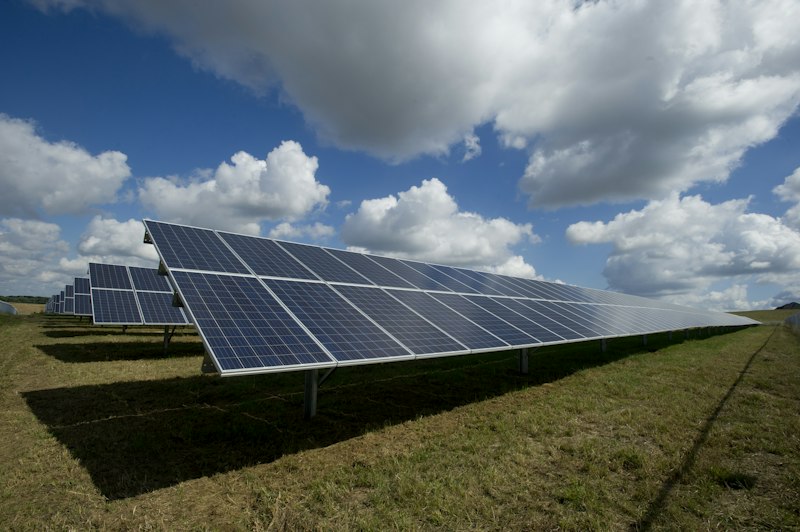
Model shading impact over time. Optimize vegetation management around arrays.
We're not building a feature. We're building the infrastructure layer for vegetation intelligence.
Every customer adds labeled ground-truth data. The more we deploy, the better we get—across species, climates, and infrastructure types.
Most tools show what exists. We model what's coming. That's a fundamentally different product category.
We fuse satellite, LiDAR, weather, and asset data into a unified risk layer no single source can provide.
Built for utilities and insurers who can't afford downtime. SOC 2 compliant. Enterprise SLAs. API-first.
Vegetation isn't static. It grows, fails, recovers, and changes—constantly. But the systems we use to manage infrastructure still treat it like a fixed variable.
Canoptics is building the predictive intelligence layer for vegetation—starting with utilities and expanding into every industry where what grows matters.